11
11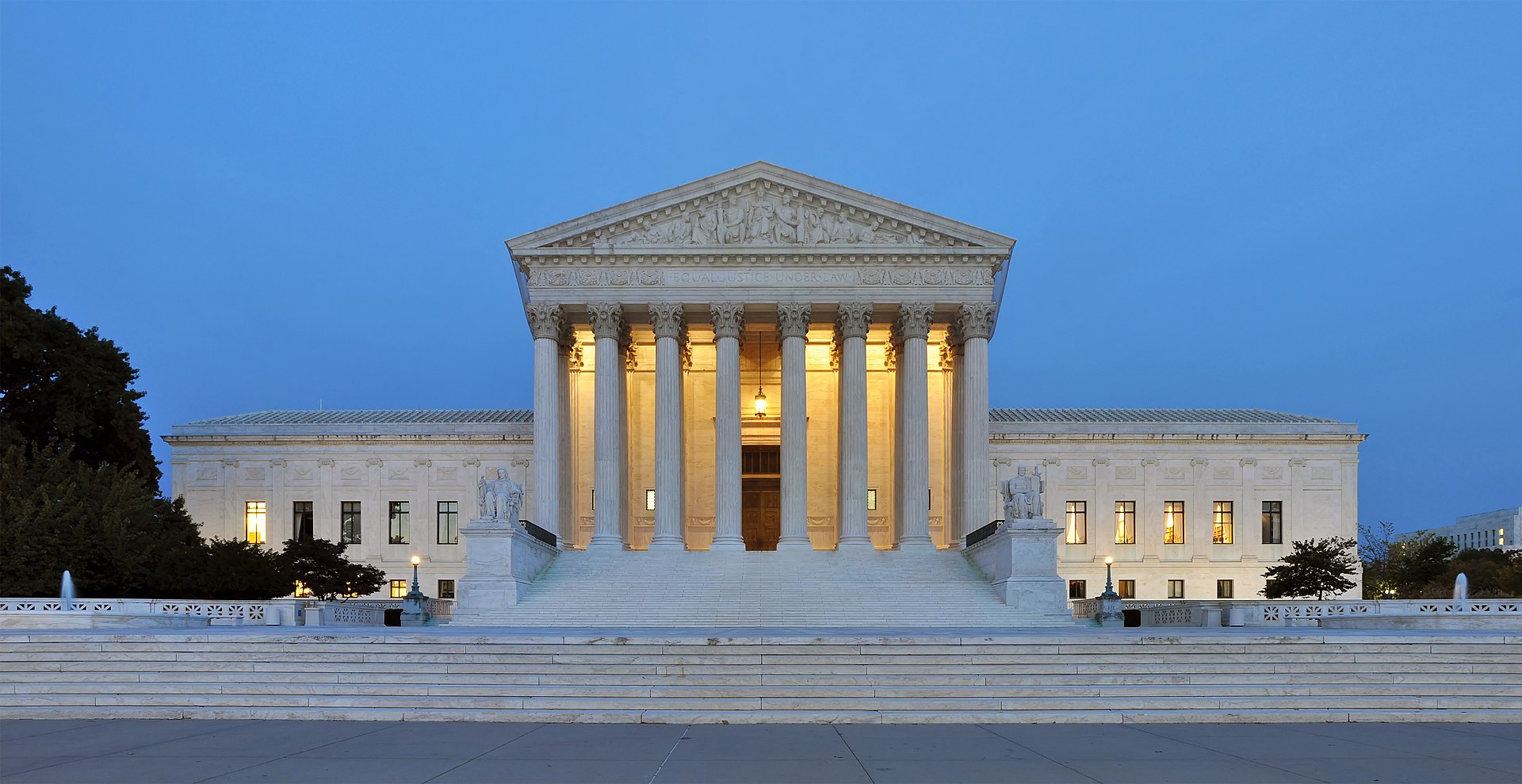
The Supreme Court handed down a unanimous decision Thursday that limits how far the federal government can go in stripping gun rights from marijuana users. All nine justices agreed that simply using marijuana — without any evidence of dangerous behavior — is not enough for the government to take away a person’s Second Amendment rights. The ruling narrows a decades-old federal law but does not strike it down entirely.
The case centered on Ali Danial Hemani, a Texas resident and American-Pakistani dual citizen. In 2022, FBI agents searched his family’s home while investigating suspected terrorism-related activity tied to his family’s travel to Iran. Agents found a handgun, marijuana, and cocaine on the property. Hemani cooperated fully, told agents he used marijuana roughly every other day, and was charged solely under the 1968 Gun Control Act, which makes it a federal crime for any unlawful drug user to possess a firearm. No terrorism charges were ever filed against him.
Hemani challenged the charge, arguing it violated his constitutional rights. Both a federal district court in Texas and the Fifth Circuit Court of Appeals in New Orleans sided with him, and the Supreme Court upheld those decisions Thursday.
Conservative Justice Neil Gorsuch wrote the opinion for the court. He said the government failed to show that prosecuting Hemani was consistent with the nation’s historical tradition of gun regulation — the legal test the court established in a landmark 2022 ruling. Gorsuch wrote that the government cannot automatically disarm millions of Americans based on marijuana use alone, without any showing that the individual poses an actual danger.
The same 1968 law was used to convict Hunter Biden in June 2024, after prosecutors said he lied on a gun purchase form about his drug use. His father, then-President Joe Biden, later pardoned him. Thursday’s ruling does not affect that conviction directly, but it raises the bar significantly for future prosecutions under the same statute.
The decision does not legalize drug use or make it legal for all drug users to own guns. What it does is require prosecutors to show a concrete link between a person’s drug use and dangerous behavior before charging them under the law. That is a higher standard than simply proving someone uses marijuana. The ACLU, which represented Hemani, called the ruling a win against the government making broad assumptions about who is dangerous.
The ruling lands at a complicated moment. Marijuana is now legal in dozens of states, yet it remains a federally controlled substance. Thursday’s decision does not resolve that conflict, but it does give some protection to the millions of Americans caught between state and federal law.
Source: NBC News, Reuters, Newsweek, NPR, CNBC